 COME
COMECOME Delayed Login Code: Compare the Connection
For a delayed login code, locate the failing stage, compare one trusted connection at a time and avoid reinstalling a working app without a reason.
On a dual-SIM phone, make sure the line you are monitoring is the one requested. If delayed codes arrive out of order, follow the active request rather than trying every old message.
Locate where loading stops
Begin with the last action that completed. Did the app page open? Did the browser finish saving an APK? Did Android complete installation? Did COME open but fail to load a section? These observations separate four different problems that are often all described as a download not working.
A stalled browser transfer is not the same as an installed app waiting for data. A completed APK followed by an installer error is not solved by repeatedly refreshing a game screen. Write down the stage and exact message before changing the connection or software.
Make one connection comparison
Check whether an ordinary trusted website works on the same connection. If it also fails, restore the general connection first. If other websites work but COME does not, that narrows the symptom without proving the service is down. Where permitted, compare with one other trusted connection and observe whether the same action behaves differently.
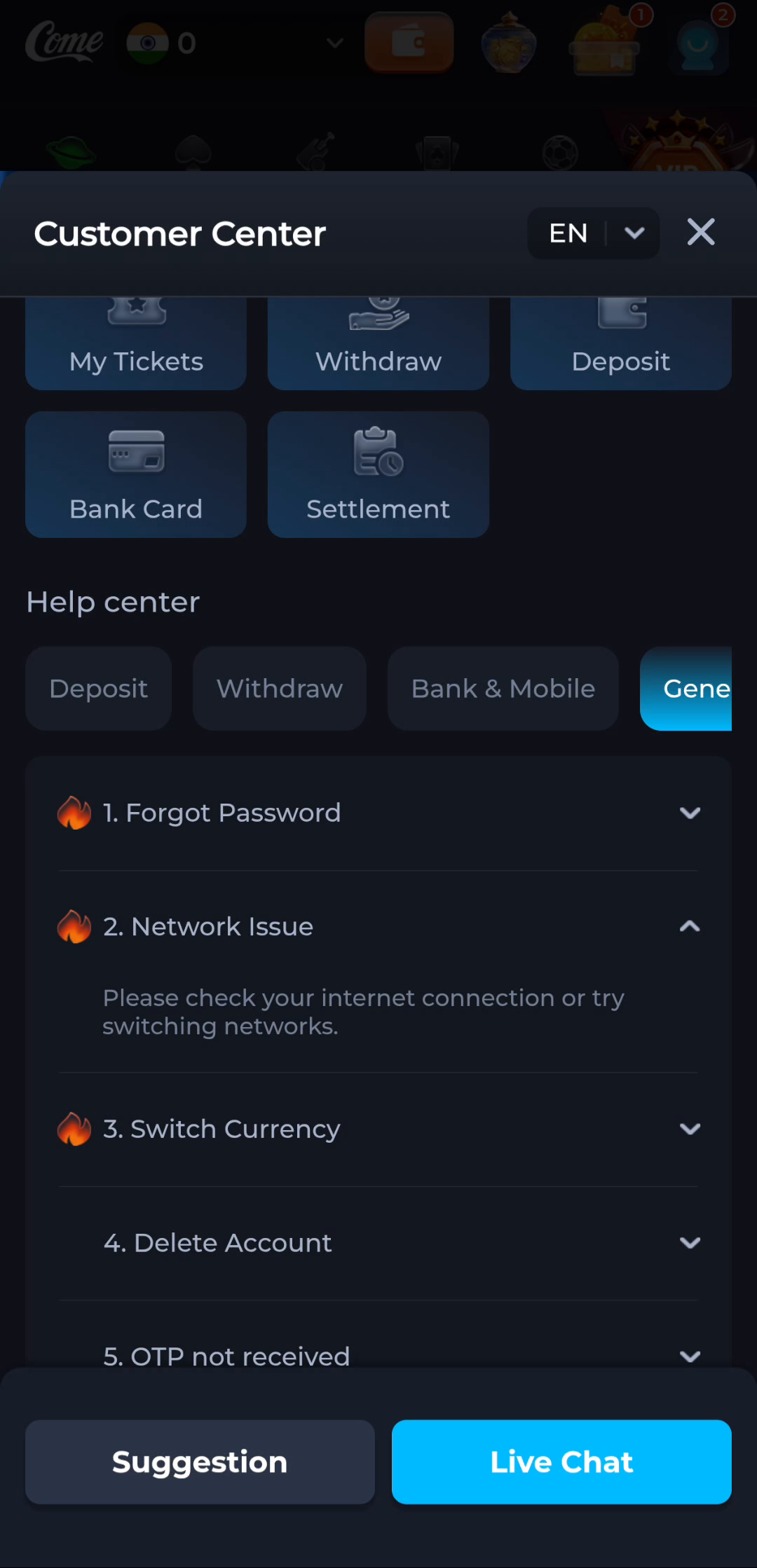
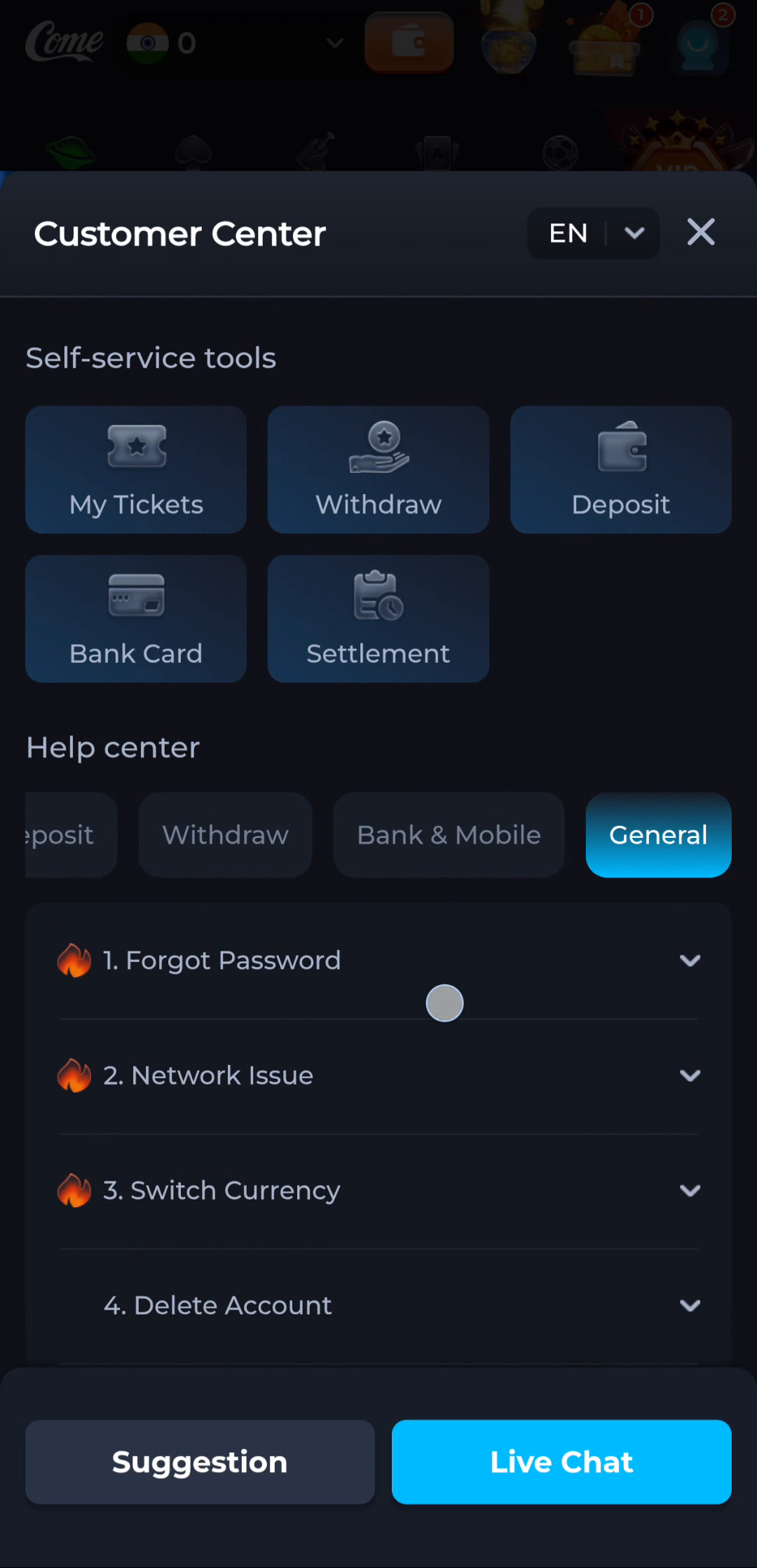
COME's Network Issue help text suggests checking the internet connection or switching networks. Treat this as a diagnostic step, not a guarantee. Do not disable a security tool, change managed-network controls or seek location workarounds simply because the page is unavailable.
Avoid creating a second problem
When the app opens, reinstalling can remove useful context while leaving a remote or account-specific issue untouched. Keep the installed version and note whether one category fails or the whole interface fails. If a transfer is paused, inspect its completion state before starting another copy.
If a sensitive account action appears to be pending, do not repeatedly submit it to test connectivity. Inspect the relevant status and use product help. A loading indicator alone is not proof that a prior request failed or that it is safe to send again.
Report a reproducible symptom
Record the approximate time, connection type, device, stage and result of the one comparison. Mention whether the issue affects every page or a named section. Share only the relevant error, with account secrets and unrelated personal information removed. Stop repeated retries if the result is unchanged and wait for an appropriate response.
Apply this to a delayed login code
Confirm the destination and delivery channel, inspect reception on the intended number and follow the product’s displayed resend control. A working Wi-Fi page does not prove that SMS delivery is working.
In this situation, complete the relevant check before repeating another stage. Locate the stalled stage before testing another connection. Keep the result with the exact screen or file so a later step can use it instead of starting the whole process again.
A practical completion check
- Decide whether the browser transfer or an app screen is stalled.
- Keep the exact screen and message while checking ordinary connectivity.
- Compare one trusted connection at a time and retain the result.
Changing several settings at once hides what affected the symptom. Keep the device, account and task stable during a connection comparison. Do not repeat a pending transaction to test a network; a refreshed page and an account action are different events.
Questions about this task
Does switching networks prove the app is at fault?
No. The comparison changes the evidence but does not identify a cause by itself.
Should I redownload after a blank app screen?
First distinguish a completed installation from a connection or service issue; another file may not address it.
A related next step
For a delayed login code, diagnose a missing or delayed OTP without repeated requests or sharing secrets.